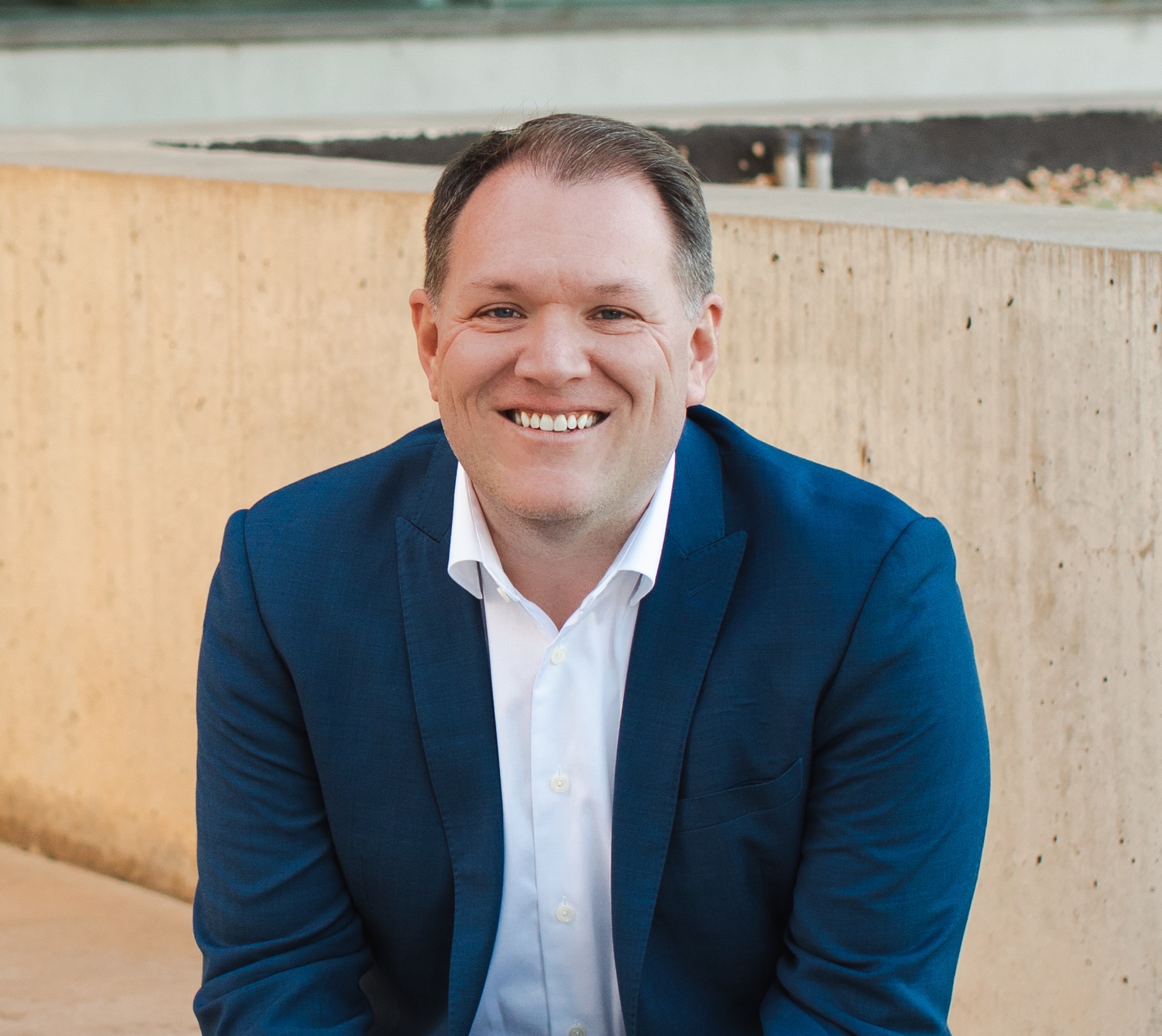
We are not static beings.
We either evolve or revolve.
I build companies, and I study what building them asks of the people who lead them: the judgment to name the right change, and the pull that sets people moving toward it. I have founded, merged, and stayed to shape companies into what their markets needed next, and exited when the work was done. The newest venture is Neto, human communication and AI, the best of both. The question I want to solve is metamorphosis: how people and organizations become the best version of what they were made to be, constantly improving, their gifts bearing fruit. Most change efforts, by contrast, produce a lot of activity and leave everyone the same.
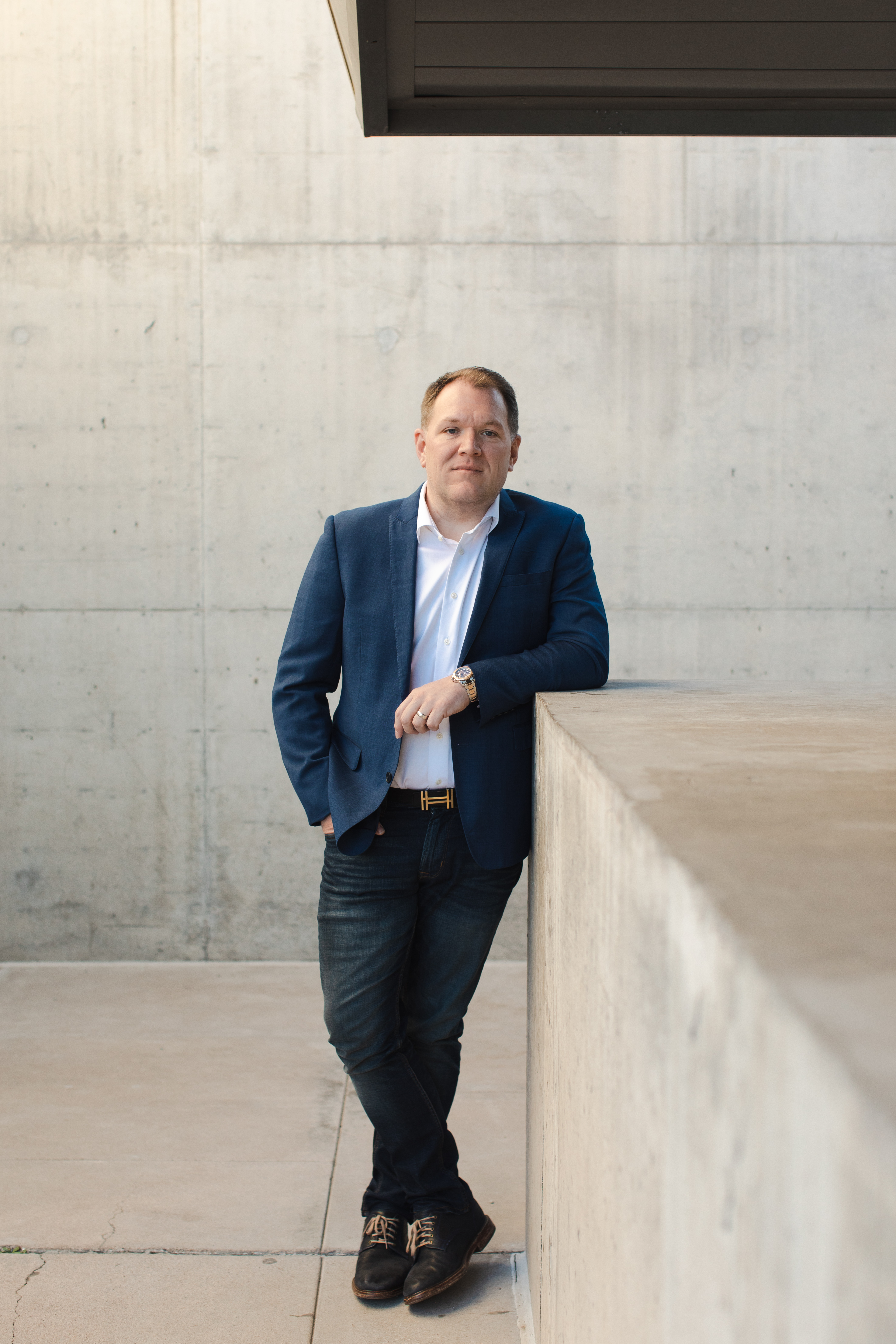
Most organizations that set out to change themselves do not. They run the offsite, buy the framework, say the true things about culture and mean them. Twelve months on, the deck has changed and the people have not.
I call this revolving: real effort, real expense, real sincerity, all of it spent going around. And the cost isn’t the budget line. The cost is belief, because every change that doesn’t take makes the next one harder to credit, until a team quietly learns that transformation is a thing that gets announced rather than a thing that happens.
What separates the two is not rigor. It is whether the people being asked to change feel seen well enough to risk it.
We grow together or not at all.
More is caught than taught, and you become the rooms you stand in. So I am careful about whose company I keep, and deliberate about being in the room with the people I serve.
Harmony is not sameness. It is different notes at different volumes, each in its own measure, made into one thing that works. What will not serve the whole is not accommodated. It is eliminated.
Common context yields uncommon perspective. Before asking anyone to change, build the shared understanding that makes the change make sense.
The gift of seeing in someone his potential, and sharing that vision, is given freely, extravagantly, and without need for recompense. The table is always set.
We are designed to evolve, and imbued with the drive to become greater than we now are. Transformation is not a program; it is the point.
I founded Ellis Pro Media, an international audio-video company serving some of the largest houses of worship and enterprises in the world, and ran it the way first companies get run: on conviction, proximity, and more hours than were strictly available. It grew until the right question stopped being how to grow it and started being who it should grow with.
I merged the company into a strategic acquirer, and stayed. Selling a company you built is one metamorphosis; helping the company that bought it become something new is another. I spent the years that followed reshaping the combined business’s position in its market, from the inside. Once that work was done, I exited.
I left carrying two convictions: that human communication is a craft I had spent a career learning, and that AI would remake it for better or worse, depending on who did the making. Neto is the venture that combines the best of both.
Every one of those chapters ran on the same two disciplines: judging, earlier than was comfortable, which change the moment actually asked for, and moving people to begin it before the moment passed. The companies changed exactly as fast as their people did. That discovery became an ideology, and the ideology became the work.
Someone reaches out in the worst week of their life, and nothing comes back. That is the problem Neto exists to solve. Our agents run the whole relationship, omnichannel from day one with one shared memory, and the voice agents lead: speaking with Ani-1, our own text-to-speech built for the emotional register of hard conversations, thinking with models we fine-tuned and host ourselves, and sharpening continually in our own reinforcement-learning environments.
The bet underneath the company is the one underneath everything I write: that being answered, followed up with, and checked on is most of what being seen amounts to, and that it can be built, measured, and sold.
Visit Neto →
Blitzscaling
I speak to leadership teams and conferences on metamorphosis: how to tell the change a moment asks for from the change it merely tolerates, and how to set a room in motion toward it. Selected engagements.
Leadership, like empathy, is a two-way street. Common purpose creates the context for functional empathy, and the leader’s responsibility runs to feelings, facts, and narratives alike.
Insight, inspiration, discipline, transcendence. Common context yields uncommon perspective, and lasting change turns out to be a service industry.
Empathy and transformation, regression in empathy’s absence. Individual transformation as a product, institutional transformation as a service.
From pilot to production, told by someone running it: naming the work AI should absorb, preparing the people it will change, and measuring what it returns.
Being answered, followed up with, and checked on is most of what being seen amounts to. What happens when you treat empathy as infrastructure: buildable, measurable, and sold.
A conversation, not a pitch. Whether it is a stage, a leadership team, or Neto, write and I will answer.
HELLO@DAVIDPELLIS.COMThank you. It is on its way.
I read everything that comes in, and I will answer.
An essay most weeks on leadership, transformation, and the technology that either deepens our attention or spends it. No pitches.
Thank you. It is on its way.